Warehouse cleanup FAQs can help business owners plan what to remove, when to do the work, and how to keep daily tasks moving. In Kennesaw, a clear item list and a safe work plan make it easier to sort unwanted goods. A site lead can help staff know what stays and what goes.
Warehouses can collect old pallets, broken shelving, damaged furniture, and equipment that is no longer used. These items can take up room and make it harder to move goods through the building. A planned cleanout gives the team time to sort items and keep useful stock apart from unwanted materials.
This guide covers how to prepare, what a warehouse cleanout may include, and what to ask a removal service. It also explains how to sort pallets, appliances, concrete, and equipment. Each site is different, so the plan should fit the building, its contents, and its work schedule.
Table of Contents
- What does warehouse cleanup include?
- What affects the scope of warehouse cleanup?
- How should a warehouse cleanup be scheduled?
- How are pallets handled during a warehouse cleanout?
- Can shelving and racking be removed?
- What happens to unwanted equipment and machinery?
- How should warehouse debris be sorted for removal?
- How can a warehouse cleanout minimize disruption?
- What should property managers verify before hiring a junk removal service?
- How can businesses prepare for a warehouse cleanout?
- Frequently Asked Questions
- Key takeaways
- Conclusion
What does warehouse cleanup include?
Warehouse cleanup can include removing unwanted pallets, shelves, furniture, appliances, equipment, and loose debris. The work depends on what the business wants cleared and what can be moved safely. A written list helps the business and removal crew agree on the job before work begins.
Common materials and items removed
A commercial cleanout may include damaged pallets, empty packing materials, broken office furniture, old tools, and unused shelving. It may also include larger items, such as desks, filing cabinets, refrigerators, or machines. Some jobs involve concrete pieces or building waste, which may need a different plan from ordinary junk.
Sort items before moving them. Set aside a marked area for goods and property that must stay. Items for reuse, donation, recycling, or disposal can go into separate groups when staff can identify them clearly. Labels help everyone understand what each group means.
How cleanup differs from routine janitorial work
Routine cleaning usually means sweeping floors, emptying bins, and keeping the building tidy. A warehouse cleanout is different. It deals with large or unwanted items that must be sorted, carried, loaded, and taken away. The work may also need a plan for loading docks, storage areas, and active work zones.
A cleanout does not take the place of building repairs or work on hazardous materials. Some items may contain chemicals, fuel, cooling gas, or other materials that need special care. Set these items aside for review before anyone moves them. Kennesaw Junk Removal can talk with Kennesaw business and property owners about ordinary removal needs and help identify items that may need a specialist.
What affects the scope of warehouse cleanup?
The work depends on the amount and type of material, how easy it is to reach, and whether the site must stay open. A few loose items are different from a full storage area with heavy machines. The plan should come from a clear review of the job, not a guess.
Factors that shape the work
The number of items matters, but size, weight, condition, and location matter too. A large machine on an open floor may be easier to reach than small items stored high on a rack. Narrow aisles, stairs, limited dock access, and nearby goods that need protection can also affect the work plan.
The kind of material also shapes the job. Furniture and clean pallets are not the same as concrete, appliances, or machines with fluids or electrical parts. Before removal, point out anything that is damaged, connected to power or other services, or unsafe to handle. This helps the crew understand what is in the work area.
Comparing small and large cleanouts
A small commercial removal may involve a few broken chairs, boxes, or appliances. A larger warehouse cleanout may cover several areas, mixed materials, and work with staff or tenants. Larger jobs often need more sorting and planning to keep work areas and routes open.
When you discuss the job, say what needs to go and what must stay. Photos or a walk-through can help show access points and item condition. A clear list also helps avoid confusion if more items are added later. The work involved can change with the amount of material, item type, access, and handling needs. Ask for the final cost in a quote before agreeing to the work.
How should a warehouse cleanup be scheduled?
Schedule a warehouse cleanup when the crew can reach the items safely and daily work can continue as planned. The best time depends on shifts, deliveries, stock moves, and building rules. A shared schedule tells staff which areas will be affected and when.
Planning around shifts and deliveries
Check the site calendar before choosing a date. When possible, avoid busy delivery times, large shipments, and planned stock moves. If the warehouse has more than one shift, decide whether the work should happen between shifts or in stages while the site remains open.
Check how vehicles can reach the loading area. Find out whether a dock or entrance must stay open during the work. Ask about building access, security steps, and approval from a landlord or property manager. Sharing these details early can prevent delays and help other people at the site plan ahead.
Preparing staff and work areas
Tell staff which areas will be cleared and mark items that must not be moved. When practical, move active stock away from the work zone. If staff or contractors will be nearby, explain where they can walk and which paths must stay open.
A short team talk can cover the schedule, access points, and who will answer questions. Keep directions simple and easy to see. For a cleanout in stages, choose one person to check that each area is ready before removal begins. This gives the crew a clear point of contact.
How are pallets handled during a warehouse cleanout?
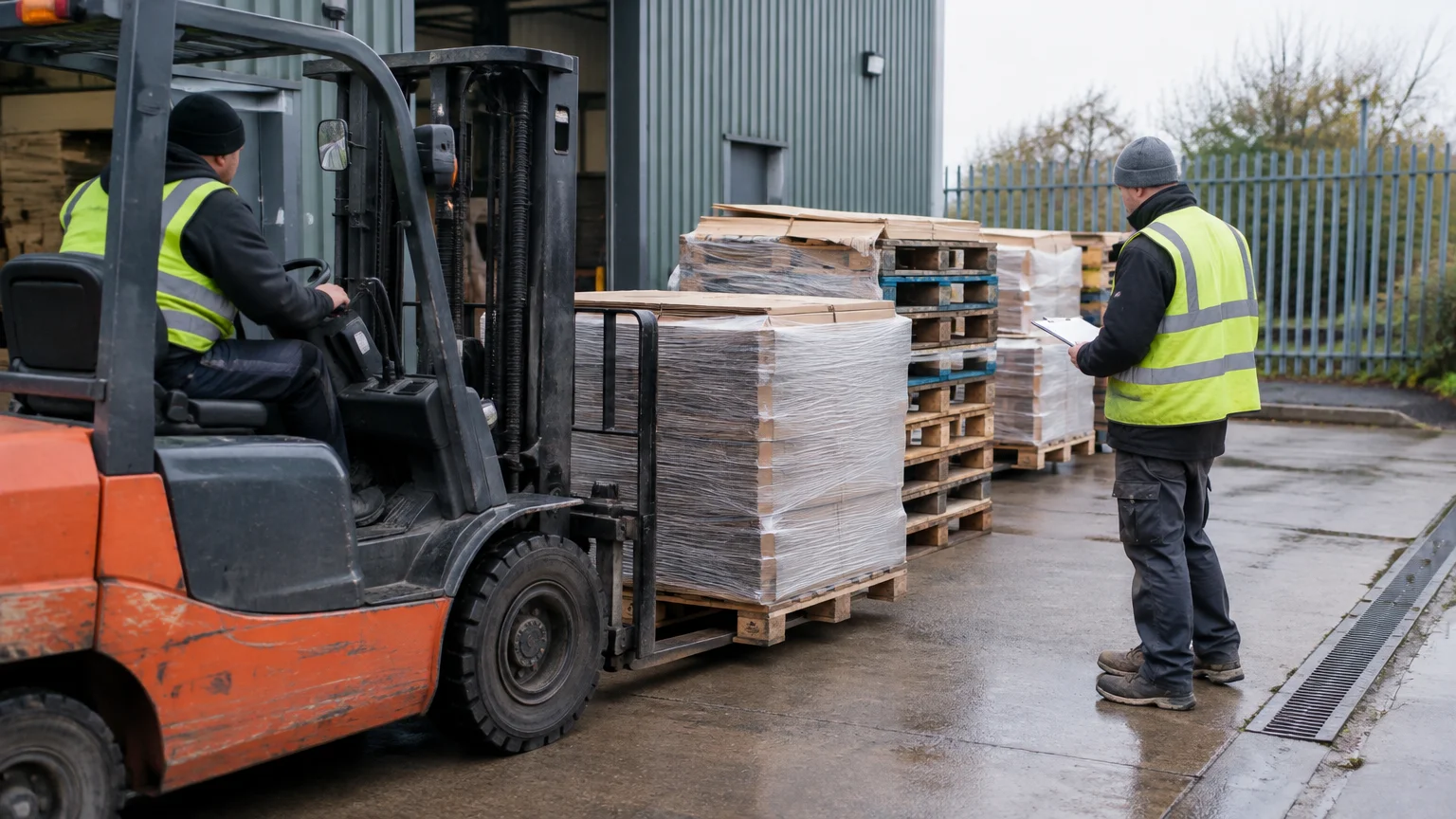
Sort pallets by condition and ownership before removal. Pallets that can be used again may stay on site or go through the business’s usual return process. Broken or unwanted pallets can be set apart for removal. Sorting helps prevent a supplier’s pallets or another tenant’s goods from being taken by mistake.
Sorting reusable, damaged, and unwanted pallets
Check whether pallets belong to the business, are part of a supplier return plan, or must be returned another way. Keep reusable pallets together in a marked spot. Set aside broken pallets and ones with loose boards, exposed nails, or signs of a spill.
Do not assume all pallets belong in the same waste group. The best route may depend on the pallet’s material and condition. If a pallet has a spill or an unknown substance on it, keep it apart from other items. Ask the site lead how to handle it before anyone moves it.
Keeping staging areas clear and safe
Choose a place for pallets that does not block a door, aisle, fire exit, or loading area. Keep stacks steady and follow the site’s usual safety rules. Do not place pallets where moving equipment or people may knock them over.
If pallets are kept outside, check that the area is allowed and does not block drains or access routes. Tell the removal crew where each sorted stack is located. This makes it easier to tell unwanted pallets apart from those the business plans to keep.
Can shelving and racking be removed?
Shelving and racking can often be removed if the business has permission and the system can be taken down safely. First, check whether it is fixed, loaded, damaged, or joined to other parts of the building. Staff without the right training should not take down heavy or unsteady systems.
What to check before dismantling
Move stored goods away from the area and mark parts that must stay. Check with the property owner or facilities lead before removing fixtures. Some shelves or racks may belong to the building, not the business. Review the space around the structure and keep people away from the work zone.
Some racks are fixed to a floor or wall. Taking them down may leave holes, anchors, or other repair work. If the job involves wires, built-in systems, or unknown connections, stop and ask a qualified worker to check them. Do not pull or cut parts when you are not sure what they connect to.
Coordinating with warehouse operations
Plan the work so nearby storage and active routes stay safe. Move goods away from the area and mark a clear work boundary. Tell staff when an aisle will be closed and how to reach other work areas.
The removal crew should know which parts are approved to go and which must stay. Marking the items and checking the plan together can help prevent mistakes. If the warehouse stays open, ask the site lead to approve each stage before work moves to another area.
What happens to unwanted equipment and machinery?
Identify and check unwanted equipment before anyone moves it. Some items can be handled as bulky junk, while others may contain oil, batteries, cooling gas, or electrical parts. Mark equipment that is unknown or connected to power or other services for review before removal.
Identifying items that need special handling
Make a list of machines, appliances, and tools that are no longer needed. Note whether each item is plugged in, connected to a service, leaking, or damaged. A refrigerator or other appliance may need special steps before it is moved. Staff should not cut lines or remove parts without proper training.
Keep equipment with a battery, liquid, chemical, or unknown material apart from general debris. Follow the site’s safety rules and ask a qualified specialist when the contents are not clear. Do not put these items into a general pile just to make the cleanout faster.
Separating reusable equipment from general debris
Some equipment may still work and could be useful to another team or site. Mark it for reuse before removal day and keep it away from the junk pile. If it belongs to the company, make sure the right person has approved its release.
Broken furniture can usually be grouped with other bulky items once the business confirms it is unwanted. Empty desks, chairs, and cabinets first. Check refrigerators and other appliances for contents and special handling needs before moving them. If an item’s condition is unclear, ask the site lead to review it.
How should warehouse debris be sorted for removal?
Sort warehouse debris by material, condition, and handling needs. Keep ordinary junk apart from items that may be unsafe or need another disposal route. Good sorting makes the job easier to explain and helps prevent useful stock from mixing with items for removal.
Separating ordinary junk from special materials
Set aside clean, ordinary items such as unwanted furniture, empty shelf parts, and general packaging. Keep appliances, batteries, electronic items, liquids, and unknown materials in separate groups until their handling needs are clear. Do not mix items that may be hazardous with regular debris.
The phrase “cleanup junk files” usually means digital files, not waste in a warehouse. Removing computer files is a separate task and should follow the business’s data rules. Likewise, “space junk cleanup” is a different topic. It does not mean clearing a warehouse floor or storage area.
Searches for house cleanout faqs, office cleanout faqs, retail removal faqs, and professional house cleanouts may cover other kinds of jobs. Warehouse work has its own needs, such as keeping stock, loading areas, and work routes safe. Use a plan that fits the type of building and the items inside it.
Preparing bulky debris
Empty drawers, cabinets, and furniture before removal when it is safe to do so. Keep loose items together and label anything that belongs to another team. Large items need a clear route from where they sit to the loading area.
Concrete chunks and heavy building debris need special care because they are dense and hard to move. Keep them apart from mixed, lighter items. Tell the removal service what the material is and where it is stored. This helps the crew plan how to move it. Do not overload carts, bins, or tools that are not made for heavy loads.
How can a warehouse cleanout minimize disruption?
A warehouse cleanout can disrupt less work when the team plans the work area, access routes, and timing in advance. The warehouse lead should decide which zones can close and which must stay open. Clear signs and updates help people stay away from the work area.
Protecting work zones and access routes
Mark the removal area and keep it apart from active storage or picking zones. Keep paths clear for workers and moving equipment. Do not block exits, safety stations, loading doors, or routes that staff need during normal work.
If the site uses forklifts or other moving equipment, agree on how the removal crew will work nearby. Keep people who are not part of the job away from lifting and loading areas. Stop work if a new risk appears or a route becomes unsafe. Check the area before work starts again.
Coordinating with employees, tenants, and contractors
Tell employees, tenants, and contractors what will happen and which areas may be affected. Share the schedule and name a person who can answer site questions. In a shared building, check access rules with the property manager before the work starts.
A cleanout in stages may work better for a busy warehouse than clearing every area at once. The crew can finish one zone, check the route, and then move to the next. This may help the business keep important work going while unwanted items are removed.
What should property managers verify before hiring a junk removal service?
Property managers should confirm the job list, site access, item types, and handling plan before hiring a removal service. They should also check building rules and confirm who can approve the work. Clear answers help the service plan the visit and reduce confusion at the site.
Confirming scope and site requirements
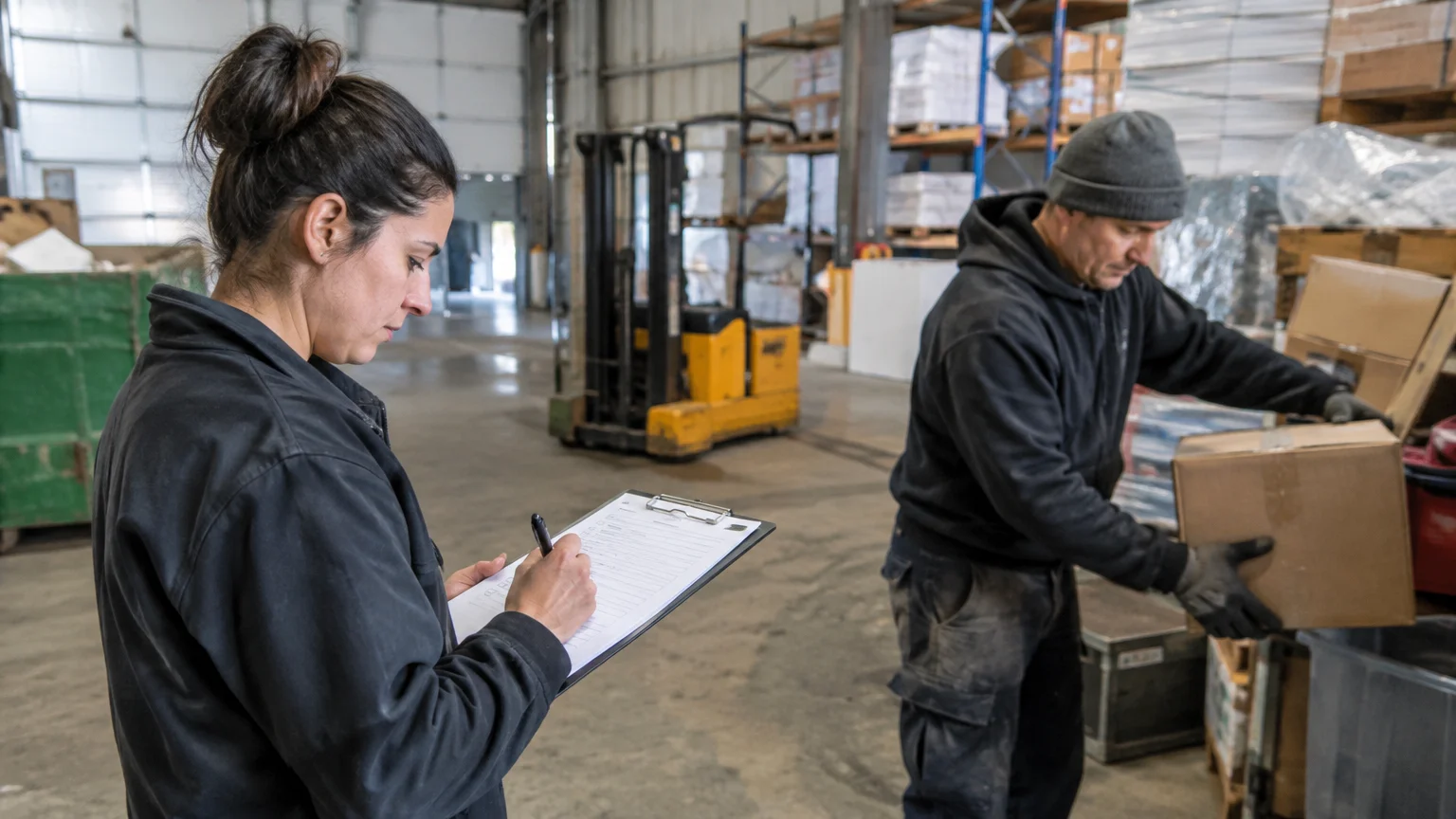
List the items to remove and point out anything that must stay. Share details about stairs, narrow doors, loading docks, access times, and parking limits. Explain whether the warehouse will be open during the work and which routes need to stay clear.
Ask which items the service can take and which need another handling route. This is important for appliances, machinery, batteries, liquids, and concrete debris. The service should explain its process in plain words and say when a qualified specialist may be needed.
Questions to ask about handling
Ask how the crew will confirm which items are approved to go, protect the work area, and keep routes clear. Find out how reusable items and materials needing special care are handled. The business should also ask what needs to be done before the crew arrives.
Avoid relying on broad promises without agreeing on the work. Review what is included, what is not included, and how changes will be handled. Kennesaw Junk Removal can discuss commercial removal needs with local businesses and help them decide whether a warehouse cleanout fits the service plan.
How can businesses prepare for a warehouse cleanout?
Businesses can prepare by making an item list, marking what stays, and clearing a safe route to the items for removal. A short site check before the visit can catch access problems early. Choose one person who can answer questions and make decisions about the items.
Creating an inventory
Walk through each area planned for cleanup and write down the items to remove. Note large pieces, appliances, machines, and debris that may need special care. Mark valuable equipment and company property so no one mistakes it for unwanted material.
Use signs, labels, or separate areas to show what should stay, go, or be reviewed. Empty furniture and cabinets when it is safe and allowed. Tell staff not to add new items to the removal area without approval. This keeps the agreed item list clear.
Final walkthrough and checks
Before the crew arrives, check that the access route is open and the work area is ready. Confirm that site approval, keys, and entry details are in place. Review the safety rules the crew needs to follow.
After the cleanout, walk through the cleared area with the site lead. Check that items meant to stay are still there, routes are open, and the space is ready for its next use. Write down any repair or upkeep work for the right team to handle later.
Frequently Asked Questions
How do businesses get rid of an old refrigerator?
Empty the refrigerator first and check its condition and connections. Do not cut service lines or remove parts without proper training. Ask a removal service or qualified appliance handler what preparation is needed. Refrigerators may need a different handling route from furniture and loose warehouse debris.
How can a business dispose of old or broken furniture?
Mark furniture for removal and empty desks, cabinets, and drawers first. Keep items that may be used again in a separate area. Broken furniture can often be grouped with bulky junk if it has no special hazard. Handle damaged pieces with care because they may have sharp edges or loose parts.
How should a warehouse dispose of concrete chunks?
Keep concrete chunks apart from light, mixed debris. Tell the removal service what the material is, where it is stored, and whether other materials are mixed in. Concrete is heavy and may need a separate plan. Do not overload carts, bins, or equipment that are not made for heavy loads.
Can a warehouse cleanout happen while the business is open?
It may be possible if the work area can be kept apart from active operations. Plan routes, staff notices, delivery times, and safety boundaries first. If people or equipment cannot stay clear of the removal zone, choose a quieter time for the work instead.
What should be done with equipment that may contain fluids or batteries?
Keep the item apart from ordinary junk and do not open or take it apart. Mark it for review and follow the site’s safety rules. Ask a qualified handler what to do next if the contents are unknown, leaking, or connected to a service.
Key takeaways
- Make an item list and mark what must stay before removal begins.
- Sort pallets, appliances, equipment, and heavy debris by type and condition.
- Keep exits, work routes, and loading areas clear during the cleanout.
- Ask about special handling for batteries, fluids, and unknown materials.
- Confirm site access, the work scope, and preparation needs in advance.
Conclusion
A well-planned warehouse cleanout starts with clear sorting, safe access, and agreement on what will be removed. Businesses in Kennesaw can reduce confusion by choosing a site lead and sharing the plan with staff, tenants, and contractors. For help with commercial junk removal, Contact us to discuss your warehouse cleanup with Kennesaw Junk Removal.
If you are not sure what you are dealing with, it is worth having someone look at it before it turns into a bigger job. Get in touch with Kennesaw Junk Removal today and we will tell you where you stand.