A house cleanout vs dumpster rental choice comes down to who will sort, carry, and load the items. A cleanout crew may remove agreed items from inside the home, while a dumpster gives you a place to load them yourself. The right fit depends on the work, the items, the space, and the time you have.
A move, estate, or big home clear-out can leave many things to sort. Some people want help carrying items out, while others prefer to do the work themselves. Knowing what each option involves can help you plan in Kennesaw and nearby communities. Many homeowners in Kennesaw compare these choices while planning a move or estate cleanout. It can also help you avoid booking a service that does not fit your needs.
Table of Contents
- What’s the difference between a house cleanout and a dumpster rental?
- How do you decide which option fits your cleanout?
- How does the work differ for homeowners?
- Which option works better for an estate or move-out cleanout?
- What items can each option typically handle?
- How do access and scheduling affect the choice?
- Which option is more practical for a large cleanout?
- What factors affect the overall cost?
- Can you combine a dumpster rental with junk removal?
- How can you choose the right option for your house cleanout?
- Frequently Asked Questions
- Conclusion
What’s the difference between a house cleanout and a dumpster rental?
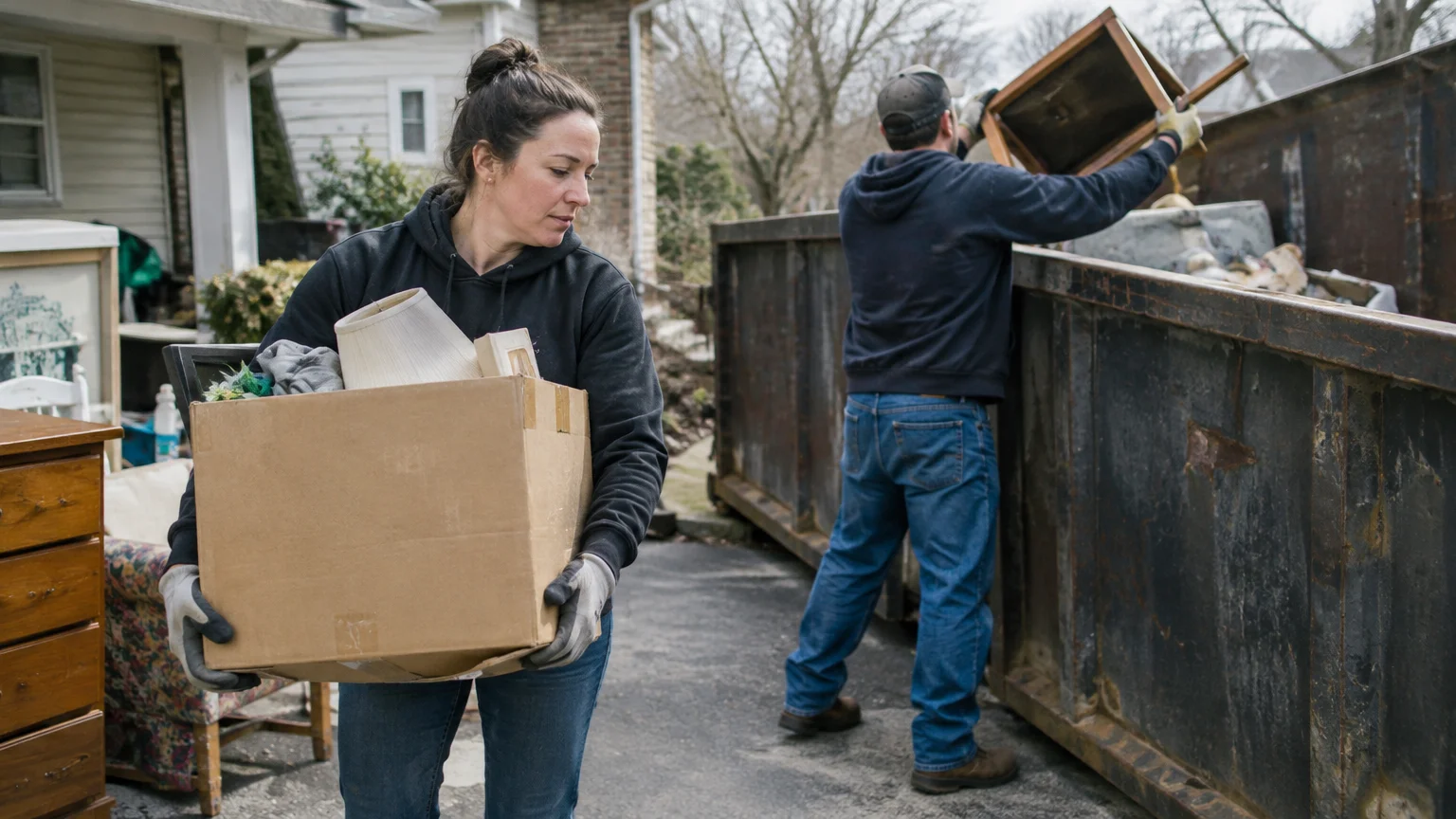
A house cleanout service removes items that you have agreed should go. A dumpster rental provides a container for you to fill. With a service, a crew may carry items from rooms and load them. With a dumpster, you usually sort, carry, and load the items yourself.
What a full-service house cleanout includes
A full-service cleanout begins with a clear plan for what should be removed. You show which rooms, areas, or items are part of the job. The crew then removes the agreed items, which may include furniture, boxes, and common household clutter. Each job can be different, so ask what the service includes before work starts.
This option may help when items are spread across many rooms or floors. It can also suit people who cannot lift heavy things or do not have time to load a container. Kennesaw Junk Removal can explain how its cleanout work is planned for homes and nearby areas. Share the rooms and items involved so the team can understand the job.
What to expect when renting a dumpster
A dumpster rental puts a container in a place agreed on with the provider. You sort your belongings, carry items outside, and load them into the container. When the agreed rental period ends, the provider collects it under the terms you set.
A dumpster can suit a hands-on project where people have time to load it. It does not usually include someone coming inside to remove items from each room. Ask which materials are allowed, where the container can go, and how collection will work. The main difference is who does the lifting and loading.
How do you decide which option fits your cleanout?
Choose based on the amount of work, the items, and the help you need. A dumpster may fit a project where people can sort and load items themselves. A house cleanout service may work better when carrying items out is hard or the home needs broad clearing.
Consider the size and scope of the project
Walk through the home and note each area that needs work. A single garage or spare room may need a different plan from a full-home clear-out. Write down large furniture, appliances, boxes, and loose debris. Mark the items that must stay so nobody mistakes them for things to remove.
Think about how soon the work must be done. A small project may happen over time, while a move-out or property handover may have a firm date. A list of rooms and items helps you explain the job. It also helps you compare a dumpster with a service that carries items from the home.
Assess how much work you want to handle yourself
Be honest about the physical work involved. Filling a dumpster can mean repeated carrying, bending, and moving heavy items. You can sort belongings and do light cleaning without hiring a professional. But heavy lifting, narrow stairs, or many items may call for help.
Ask Kennesaw Junk Removal which tasks its crew handles before you book. Also ask what you need to prepare before the visit. A good choice fits the people, time, and tools you have. Do not pick a do-it-yourself plan only because it sounds easy at first.
How does the work differ for homeowners?
With a dumpster, homeowners usually sort and load most items themselves. With a cleanout service, a crew may carry and remove the items you have agreed to clear. Both options need clear directions, safe access, and a plan for things that should stay.
Sorting, lifting, and loading items
Before anything leaves, sort items into groups to keep, donate, recycle, or discard. Keep papers, keys, medicines, photos, and small valuables in a safe place. This step matters whether you hire a crew or rent a container. Clear labels can help everyone avoid mixing important belongings with items to remove.
You do not need a professional for basic sorting or light tidying. Sturdy boxes and a simple room-by-room plan can help. Heavy furniture, large appliances, and sharp or broken items need more care. Do not lift something if it feels unsafe. Ask the provider how large items will be handled before the work begins.
Placement, access, and protecting the property
A dumpster needs a suitable place, such as a driveway or another allowed area. Check that cars, gates, and walkways will not block delivery or pickup. Ask whether the ground and overhead space can fit the container. Property rules can differ, so check with the right authority or property manager about any needed approval.
A crew needs a clear path from the items to the exit. Move small things out of hallways and point out stairs, tight turns, or floors that need care. Covering floors and door frames may help protect them during a large move. Good access planning makes either option safer and smoother.
Which option works better for an estate or move-out cleanout?
A full-service cleanout may suit an estate or move-out when there are many items, little time, or hard access. A dumpster may suit people who can sort belongings and load them over the agreed rental period. The best fit depends on who is making decisions, the deadline, and how much help is available.
Managing belongings that need careful sorting
Estate cleanouts often include personal items, papers, furniture, and things that matter to family members. Agree on what stays before anything is removed. Set aside photos, documents, keepsakes, and items that need a closer look. A room-by-room list can help several people make choices without mixing important belongings into the discard pile.
A service can remove items after the family has marked what should go. A dumpster can hold unwanted items, but the household must carry and load them. Neither choice takes the place of careful review. If no one is sure about an item, keep it separate until the right person can decide.
Planning around deadlines and multiple decision-makers
Move-outs may have a key return, sale, lease, or handover date. Leave time for sorting, removal, and a final check of rooms and storage spaces. If several people must agree, decide who will give the final directions. This can prevent delays and help protect belongings that should stay.
A house cleanout service may help when a deadline is close and the home needs a lot of clearing. A dumpster may work when family members can sort and load at a steady pace. Before booking either option, confirm the date, access plan, included areas, and how changes will be handled. A written plan can make a hard cleanout easier to manage.
What items can each option typically handle?
Both options may handle many common household items, but each provider and dumpster has its own rules. Furniture, boxes, and general clutter are common items in home cleanouts. Ask about appliances, building debris, and anything that may need special care before you set it aside for removal.
Household furniture and general clutter
Old chairs, tables, mattresses, shelves, and boxes may be part of a home cleanout. A crew may carry agreed items from the home, while a dumpster user usually moves and loads them. Before getting rid of furniture, check whether it is safe and could be donated or reused. If it is broken or a donation group will not take it, ask the provider how it can be handled.
For a refrigerator or other appliance, ask the provider or local waste authority how it should be handled. Do not assume every dumpster accepts appliances. A fridge may need special steps or another collection plan. Keep its doors secure while it is being moved, and do not handle parts that may be unsafe.
Items that may need special handling or disposal
Some materials are not allowed in ordinary dumpsters or standard junk removal loads. Paint, chemicals, fuel, batteries, and some electronics may need a special drop-off or collection program. Rules can differ by area, so check local waste guidance before you set these things aside.
Concrete, soil, and other heavy debris may also have limits. Ask what the container or service can take before loading it. A container full of heavy material may be handled differently from one with light household clutter. When in doubt, name the item and describe its condition before the job is planned. This can help prevent a rejected load or a last-minute change.
How do access and scheduling affect the choice?
Access can affect which option works best. A dumpster needs a safe place for delivery and pickup, while a crew needs room to reach the home and carry items out. Timing also matters, especially if the property must be clear before a move or handover.
Driveway space, stairs, and narrow access
Check the driveway, gates, low branches, and parked cars before arranging a container. A narrow street or shared parking area may make placement harder. Ask the provider what access details it needs and whether the planned spot will work. If the property has rules for containers or work crews, check them before setting a date.
Inside the home, note stairs, tight hallways, and floors that need care. A large sofa may not fit through a doorway without careful handling. Do not force an item through a tight space or take apart equipment without the right skills. A crew can review access needs, while people renting a dumpster must plan how items will reach it.
Timing, rental periods, and collection coordination
A dumpster plan depends on the agreed rental period and pickup time. You need enough time to sort and load the container. A full-service cleanout may happen during a planned visit, depending on the job and schedule. Confirm the timing instead of assuming the work can happen on short notice.
For either option, prepare the items and access before the scheduled work. Keep the driveway clear, mark items that must stay, and make sure someone can answer questions. If a tenant, family member, agent, or property manager is involved, share the plan with everyone. Clear timing and access details can prevent avoidable delays.
Which option is more practical for a large cleanout?
A dumpster may suit a large cleanout when people have time, help, and a safe way to load it. Full-service removal can make a large clear-out easier when there are many bulky items or little help with lifting. The size of the job matters, but so does the labor available.
When a dumpster can suit a hands-on project
A dumpster may work when you want to sort at your own pace and have people ready to carry items. It can keep unwanted things in one place during a project. This may help when you are clearing several rooms over time and can keep the loading area safe and neat.
You still need to do the physical work and follow the container rules. Separate items that are not allowed before loading. Place heavy things with care, and do not fill the container past its limits. If the project includes a fridge, electronics, or concrete, check the rules first. A rental is not the same as a full house cleanout service if you need someone to remove items from inside.
When full-service removal can simplify a major clear-out
A full-service house cleanout may help when there are many large items, several rooms, or little help available. The crew may remove agreed items from the home, reducing how much carrying you need to do. For a large project, explain the rooms and items so the provider can plan the work and equipment.
If you need a house cleanout service, describe the home, the areas involved, and any hard-to-move items. Mention stairs, a long path from the home, and narrow access. Kennesaw Junk Removal can discuss what a cleanout may involve and what details help plan the work. A clear list is more useful than a rough guess about how large the job feels.
What factors affect the overall cost?
The overall cost can depend on how much needs removal, how much labor is needed, the type of items, and how long the job takes. A small group of easy-to-reach items is different from a whole-home cleanout with heavy things and stairs. Providers set their own terms, so the final cost is confirmed on a quote based on the job details.
How labor, volume, item type, and project duration matter
The amount to remove is one factor. A few pieces of furniture take less space and handling than a home full of boxes, appliances, and mixed debris. The amount of labor can differ too. Items on an upper floor or behind a narrow path may take more work to move safely.
The type of item matters because some things need special care or another way of disposal. A refrigerator, broken furniture, or concrete may not be handled like common household clutter. A dumpster rental and a full-service cleanout also include different tasks. One gives you a container to load; the other may include workers carrying items out.
Why the final quote depends on the details of the job
Before accepting a quote, explain the rooms, items, access, and timing. Share photos if the provider asks, and point out anything that may need special care. Ask what the service includes and whether there are limits on items or areas. The final cost should be confirmed on a quote based on the details of the job.
Compare what each option asks you to do, not just the container or removal plan. Count the time and physical work needed to sort, carry, and load items. The best comparison is between complete plans with clear roles. Do not assume every provider handles the same items or tasks.
Can you combine a dumpster rental with junk removal?
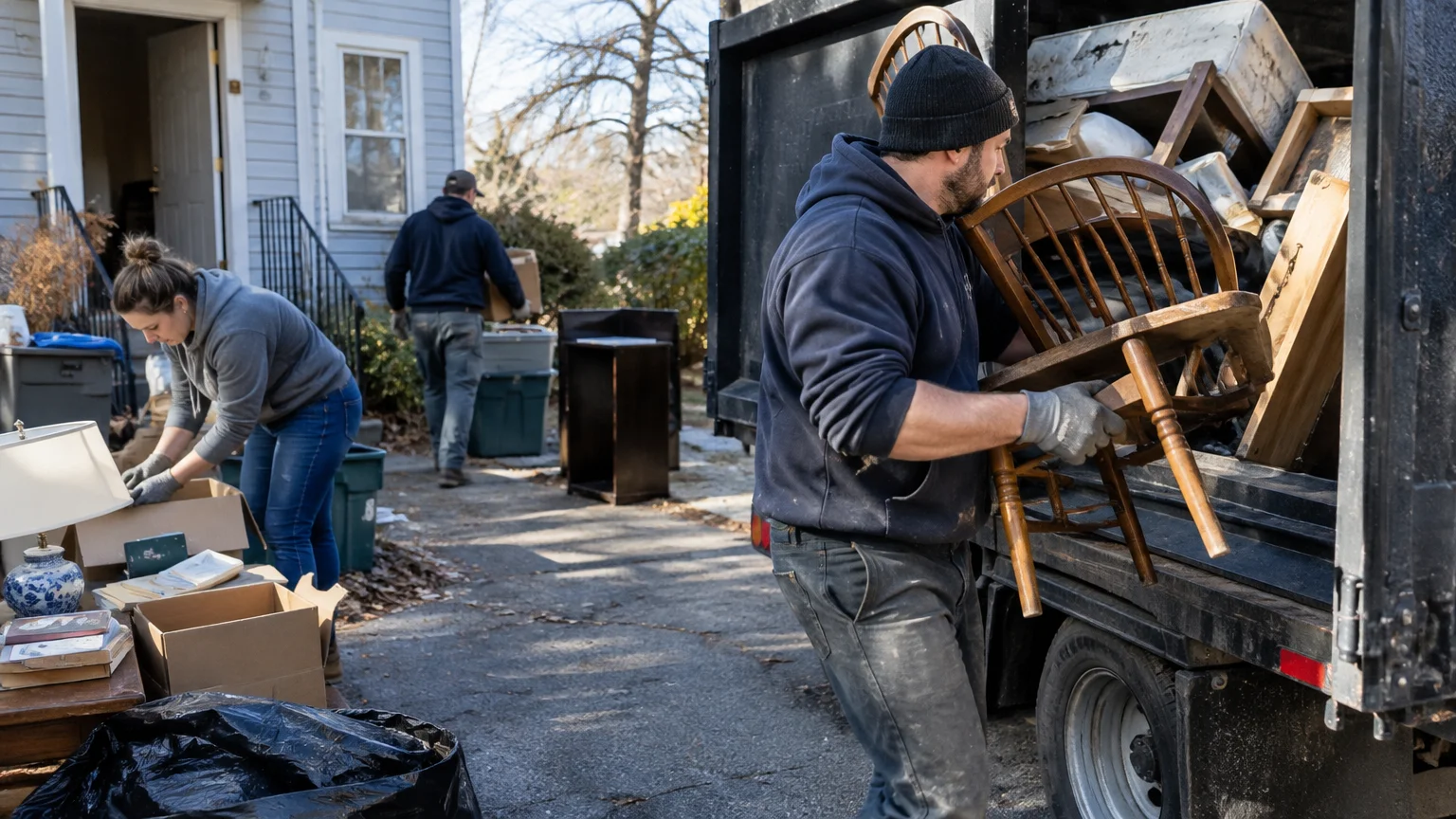
Yes, you can use a dumpster for some materials and arrange junk removal for others. This can help when a project has easy-to-load debris as well as heavy or awkward belongings. Decide which items go with each option before the work begins.
How to divide the work between the two options
A dumpster may hold items you can safely carry and load. A crew may remove bulky furniture, appliances, or things that need to come from inside. The right split depends on the items each provider accepts and the work you can do. Keep the items for each option in separate places when you can.
For example, a family might load light boxes and small debris into a container, then arrange for a crew to remove a large sofa and refrigerator. That plan only works if each provider accepts the items assigned to it. Ask first instead of loading an item and hoping it will be taken later.
Questions to settle before the project begins
Agree on who will sort, carry, and load the items. Confirm where the container will go, when it will be collected, and which materials are allowed. Ask whether a crew can remove items from inside and whether the visit covers the listed rooms. Make sure everyone making decisions knows what should stay and what should go.
Plan the order of the work too. If the crew needs a clear path, move boxes and loose clutter out of the way first. If a dumpster will block an entrance, plan deliveries and access around it. A combined plan works best when each task has one clear owner. Write down the plan so everyone can follow it.
How can you choose the right option for your house cleanout?
Choose the option that fits the work, the items, the property, and the help available. A dumpster may suit people who can sort and load on their own. A house cleanout service may work better when you need help carrying items out or clearing several areas.
A practical checklist for comparing your needs
Before deciding, walk through the home and answer these questions:
- Which rooms, storage areas, and outdoor spaces need clearing?
- Can everyone safely sort, lift, and load the items?
- Are there appliances, electronics, chemicals, or heavy debris?
- Is there a good place for a container and clear access for a crew?
- What deadline, property rules, or family choices could affect the plan?
Use your answers to describe the job when you speak with a provider. Ask what is included, which items are accepted, and what you need to do. If you plan to rent a dumpster, confirm where it can go and how it should be loaded. If you plan to hire a crew, confirm which rooms and items are included.
Key takeaways
- A house cleanout service may carry items from the home; a dumpster rental usually leaves loading to you.
- You can sort and do light cleaning yourself, but heavy or awkward lifting may need help.
- Check the rules for appliances, concrete, and items that need special disposal.
- Access, timing, and family decisions can affect which plan works best.
- Compare all the work involved and confirm the final cost on a quote.
Frequently Asked Questions
Is a dumpster rental the same as a house cleanout service?
No. A dumpster rental gives you a container to fill, while a house cleanout service may remove agreed items from inside the home. Confirm the tasks included, accepted items, access needs, and timing before choosing. These points are useful for house cleanout faqs and help you compare each plan.
How do companies handle large-scale cleanouts?
A company usually needs a clear list of rooms, items, and access details before planning a large cleanout. Mark what should stay and what should go. The provider can then explain its process, the work the crew handles, and whether certain items need another disposal plan. This also helps when you compare professional house cleanouts with a dumpster rental.
How can a household get rid of a fridge?
Ask a junk removal provider, appliance program, or local waste authority how to handle a refrigerator. Rules and accepted items can differ, so do not assume a dumpster will take it. Keep the unit secure and do not remove parts unless the provider or maker gives safe instructions.
Can broken furniture go in a dumpster?
It depends on the provider’s rules and the materials in the furniture. Ask before loading broken items, especially if they contain glass, metal parts, or mixed materials. A removal crew may be another choice if the item is too large or hard to move safely. Similar questions often come up in office cleanout faqs, where accepted items also depend on the provider.
Can concrete chunks go with household junk?
Concrete is heavy and may have separate limits or disposal rules. Ask the container provider or removal service before loading it. Tell the provider how much there is and where it is located. Do not mix it into a household load unless the provider says it is allowed.
Conclusion
The choice between a house cleanout and a dumpster rental depends on who will sort, carry, and load the items. A container can suit a hands-on project, while a service may help when you need items removed from inside the home. The right plan also accounts for special items, access, and deadlines.
Kennesaw Junk Removal can help you understand house cleanout options and nearby areas. Contact us to discuss the items, access, and timing for your cleanout.