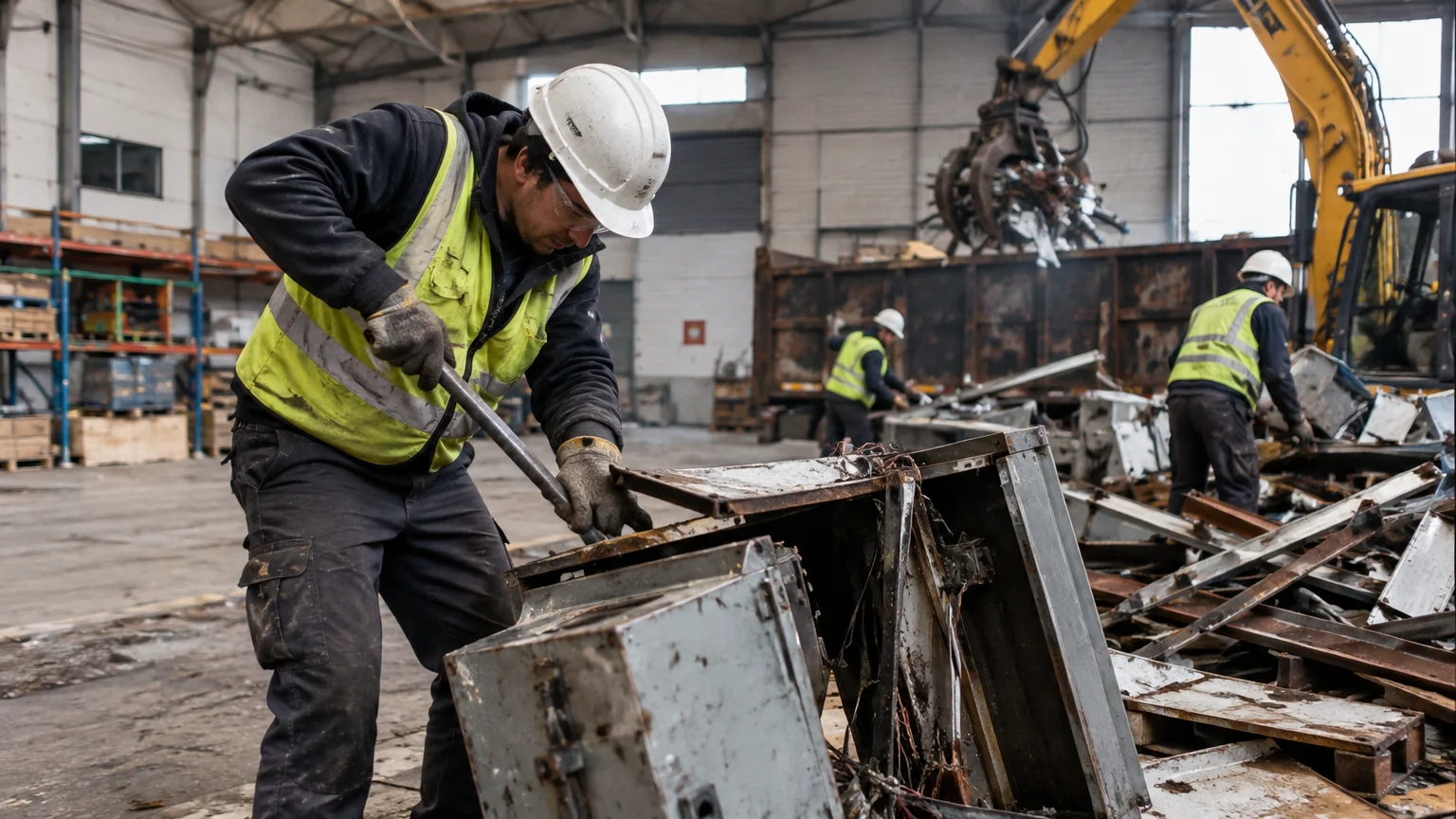
A scrap metal demolition service helps businesses clear unwanted metal fixtures, racks, machines, and other warehouse items. The work may include taking approved items apart and hauling away the demolition debris. In Kennesaw, a clear plan helps business owners decide what goes, protect what stays, and keep the work area safe.
A warehouse can be harder to use when old racks, broken machines, or loose metal fill the space. Planning ahead can help owners and property managers prepare for repairs or changes. Kennesaw Junk Removal can help Kennesaw businesses talk through warehouse cleanup needs and removal options.
Table of Contents
- What Does a Scrap Metal Demolition Service Include?
- When Should a Warehouse Use Scrap Metal Demolition?
- Which Scrap Metal and Warehouse Items Can Be Removed?
- How Is a Scrap Metal Demolition Project Planned?
- How Can a Warehouse Prepare for Metal Removal?
- What Safety and Recycling Practices Matter?
- How Do You Choose a Scrap Metal Demolition Service?
What Does a Scrap Metal Demolition Service Include?
A scrap metal demolition service removes metal items that the owner has approved. The team may take some items apart before hauling them away. The work depends on the items, their condition, the site, and the agreed plan. In a warehouse, the aim is often to clear fixtures or machines so the space can be used, fixed, or changed.
How removal differs from demolition
Removal means taking an item away from a site. Demolition means taking a fixture or structure apart. Some warehouse jobs need only junk removal, such as hauling loose shelving or broken equipment. Other jobs may include taking apart bolted racks or removing fixed metal fixtures. The owner and service team should agree on the work before anything is taken apart.
A scrap metal demolition service is not always a building demolition contractor. Major changes to a building may need a separate contractor, engineer, or other trained expert. If a wall, roof support, platform, or other building part could be affected, the owner should ask the right expert to review the plan first.
Common warehouse materials and equipment involved
Warehouse cleanup may include metal shelving, pallet racks, work tables, carts, machine parts, and other unwanted equipment. Some items contain more than metal. A machine, for example, may have plastic, wires, and rubber parts. The team should know which items are included and which ones must stay.
Some businesses look for scrap metal junk removal when they need help with large items, not just loose metal. A pile of metal offcuts is different from a large machine that may need to be disconnected or taken apart. Kennesaw Junk Removal can help Kennesaw property owners discuss the work before setting a removal day.
When Should a Warehouse Use Scrap Metal Demolition?
A warehouse may need scrap metal demolition when unwanted fixtures or equipment block work, repairs, or planned changes. It may also help during a move, a closure, or a change in how the site is used. Planning early can help keep unwanted items from blocking safe access or the next project.
Signs equipment or structures are ready for removal
A bent rack, an unused work table, or a broken machine can take up space without helping daily work. Damaged or incomplete items may also make the area harder to clean and check. A property manager can start by listing items for removal and marking anything that needs review.
An old item should not always be removed right away. It may belong to a tenant, support work in progress, or need repair instead. The business should check who owns it and ask people who use the space before making a final plan. This can help prevent useful equipment from being treated as junk.
Planning around renovations, relocation, or closure
A renovation may need clear floors and open paths for workers. A move may mean removing fixtures that will not fit in the next space. When a warehouse is closing, the owner may need to sort machines, records, and other business property before hauling begins.
An early plan gives staff time to mark items, protect what stays, and set aside equipment to move or sell. It can also limit rushed choices about large items. Business owners should share key dates and work limits with the removal team, especially when other work will happen nearby.
Metal removal is only one part of some cleanouts. A site may also have office furniture, appliances, concrete pieces, or broken furniture. These items may need different care, so the plan should list them instead of calling everything scrap metal.
Which Scrap Metal and Warehouse Items Can Be Removed?
A removal team can often haul away approved metal fixtures, shelving, machines, and loose scrap. What the team can take depends on access, item condition, ownership, and any need for special care. The business should give the team a clear list so it can review the work before arriving.
Pallet racking, shelving, and metal fixtures
Pallet racks, metal shelves, workbenches, guards, and unused fixtures are common warehouse cleanout items. Some pieces are loose and ready to haul. Others are fixed to a wall or floor and may need careful work to take apart. The owner should point out sections that must stay, including racks still holding stock or used for daily work.
A walk through the site can help sort items by place and condition. Tags, signs, or a simple marked plan can show what is approved for removal. This can help in a shared building, where one tenant’s fixture may sit near another tenant’s property. Clear marks can reduce mix-ups and help protect items that need to stay.
Machinery, equipment, and mixed-material items
Old machines, metal carts, conveyor parts, and shop equipment may be included in warehouse removal. A machine can contain more than metal, so it should not be treated as plain scrap before someone checks it. Before moving it, the owner should find out if it has fluids, batteries, wires, stored materials, or attached parts.
Large appliances may also be part of a cleanout. A fridge, for example, may need special care, so the business should ask how it can be accepted and handled. Furniture, concrete pieces, and general debris are not the same as scrap metal, even when they are part of one project. Listing each item type helps the team plan how to handle it.
Businesses may ask if loose scrap and large warehouse equipment can be part of one project. This question helps define how a warehouse removal job will work. For a commercial cleanout, start by naming the items, noting their condition, and asking how the service handles them.
How Is a Scrap Metal Demolition Project Planned?
A warehouse metal removal job starts with a review of the items, work area, access, and site needs. The owner and service team should agree on the work before it starts. A written or clearly shared plan helps everyone understand what is included and how the area should look after the job.
Site assessment, access, and scope
The team needs to know where items are and how workers can reach them. Narrow aisles, loading areas, stairs, low doorways, and busy docks can affect the plan. The owner should share access limits and point out places that are off-limits.
The work plan should name what will go and what will stay. It should also say if the work includes taking items apart, moving them to a loading area, or hauling them from the site. If an item cannot be handled safely as planned, the team should stop and discuss what to do next.
Scheduling around employees and operations
Removal work should fit the warehouse’s daily needs. A business may choose a time when fewer workers need the aisle or when no deliveries are due. The plan can also set a safe path for staff and visitors while the crew works.
Managers should tell staff which areas will be affected and who can answer questions. If the work is near active storage or machines, the team may need a clear line around the work area. A schedule that fits normal work can help limit delays and keep people away from the removal zone.
A good plan also says what happens at the end. The business should know who will check the cleared area and what to do with any items left behind. If another contractor will start work, both teams should know when the area will be ready.
How Can a Warehouse Prepare for Metal Removal?
A warehouse can prepare by clearing access, marking approved items, and telling the team about known hazards. This helps the crew understand the site and protects items that must stay. Staff should not take apart heavy or fixed equipment unless trained people have been asked to do that work.
Clearing access routes and identifying hazards
The business should make a clear path from the items to the loading area. Move loose boxes or stock that block the path, but do not move heavy equipment without a safe plan. Tell the team about uneven floors, low ceilings, busy vehicle paths, or other site issues.
The owner should point out power connections, stored chemicals, sharp edges, and items that may fall. If a machine is still connected or has unknown contents, a trained person should check it before removal. Staff should stay clear of anything that could tip, leak, fall, or release dust.
Separating items for removal, retention, or recycling
A simple sorting plan can help prevent mix-ups. Mark items to remove, items to keep, and items that need review. The business can also set aside parts it may use elsewhere, if they are safe and belong to the business.
- Remove: Items the owner has approved for hauling.
- Keep: Equipment, stock, or fixtures that must remain.
- Review: Items with unclear ownership, contents, or condition.
- Handle separately: Materials that may need special care or another service.
This can help when a space has office furniture, appliances, or general debris along with metal. It gives staff a clear way to explain the work without assuming every unwanted item belongs in one load. Before work starts, one person should confirm the marked items with the service team.
What Safety and Recycling Practices Matter?
Safe warehouse removal needs clear work limits, careful handling, and a plan for items that need special care. Some scrap metal may be recycled, but different items may need different methods. The service team should explain what it can accept and how it handles debris that cannot be recovered.
Managing structural, electrical, and material hazards
A metal rack or machine can be heavy, sharp, or unsteady. Workers should not remove parts that could affect a building or active system without the right review. If work could affect a wall, floor, utility, or fixed structure, the owner should stop and ask a trained expert for guidance.
A trained person should disconnect electrical equipment when needed. Machines, containers, or appliances with unknown contents should not be opened or moved without care. If staff find a spill, damaged battery, or unknown material, they should stay clear and tell the site manager.
The business should keep workers and visitors out of the active work area. A clear boundary and a named site contact can help people know where to go and whom to ask. The removal team should also hear about site rules for visitors and contractors.
Sorting scrap metal and handling non-recyclable debris
Sorting can keep metal apart from mixed waste when the items and local options allow it. A machine may have metal parts along with plastic, rubber, wires, or other materials. The service team can explain what it accepts and whether items need separate handling.
A warehouse may also need help with concrete pieces, furniture, or broken appliances. These are not all scrap metal, and some may need another way of handling them. The owner should describe these items ahead of time instead of adding them at the last moment.
People searching for scrap metal junk removal may have loose metal in mind, while a warehouse job may include large fixtures and mixed debris. A clear item list helps set expectations for both. After removal, the site manager can check that the work area is clear and that saved equipment remains in place.
How Do You Choose a Scrap Metal Demolition Service?
A business should choose a service that understands work sites, shares clear plans, and confirms the job before it starts. The right choice depends on the items, the property, and how much taking apart is needed. Owners can ask direct questions and check that the answers fit the project.
Questions to ask about experience, scope, and disposal
A service provider should explain how it handles warehouse fixtures, large equipment, and mixed materials. Businesses can ask if the team has worked at similar sites and how it plans around staff, access limits, and daily work. Answers should be clear and related to the actual property.
Useful questions include:
- Which items are included, and which items are not?
- Does the work include taking items apart, hauling them, or both?
- What should the business do about connected equipment or unknown contents?
- How will the team protect items and areas that must stay?
- How does the team handle accepted metal and other debris?
A business should also ask what happens if the crew finds an item that is not on the agreed list. A clear plan helps prevent confusion and lets the owner decide before the work changes. The service provider should not guess who owns an item or remove property that was not approved.
What to confirm before work begins
Before the job starts, confirm the item list, path, work area, schedule, and site contact. Make sure the person approving the work has the right to do so. In a rented warehouse, the owner or manager may need to approve removal of fixed fixtures.
The business should also confirm who will prepare equipment, tell staff, and check the area afterward. If another contractor is involved, share the plan so work does not overlap in an unsafe way. Kennesaw Junk Removal helps businesses discuss commercial cleanouts and confirm which items are part of a removal project.
Frequently Asked Questions
How do businesses get rid of an old fridge in a warehouse?
First, check the appliance’s condition, contents, and any site rules for removal. Then ask a commercial junk removal service if it accepts the fridge and how it will handle it. Staff should not move a large appliance through busy work areas without a safe path.
Can a removal team take apart pallet racks?
Some jobs include taking apart approved shelves or pallet racks, but the work should be agreed on first. The owner should mark sections that must stay and check if the racks connect to other fixtures. If removal could affect a building or active system, a trained expert should review the plan.
Can broken furniture and concrete go with scrap metal?
They may be part of the same warehouse cleanout, but they are different materials and may need separate handling. The business should list them when planning and ask what the service can accept. Confirm how concrete, furniture, and metal will be handled before the work starts.
What should a warehouse do with a machine that is still connected?
Do not ask a removal crew to pull connected equipment before it is made safe. A trained person should check the power source and any fluids or stored materials. Once the machine is ready, the owner can confirm if it fits the removal plan.
How should a business prepare before the crew arrives?
Mark items for removal, clear a safe path, and point out hazards or closed areas. Staff should know what work is planned and who can answer questions. Set aside any item with unclear ownership or contents until the owner decides what to do.
Key takeaways
- Agree on the removal work before the job begins.
- Mark approved items and protect equipment that must stay.
- Tell the team about access limits and site hazards.
- Ask how mixed materials and other debris will be handled.
- Use trained help for connected equipment or building concerns.
Conclusion
A well-planned scrap metal demolition service can help a warehouse clear unwanted fixtures, equipment, and metal debris. The business should confirm ownership, prepare access, and point out items needing special care before work starts. These steps can make the project easier to manage and help protect people and property in Kennesaw.
Contact us to discuss warehouse cleanup with Kennesaw Junk Removal and confirm which items need removal.