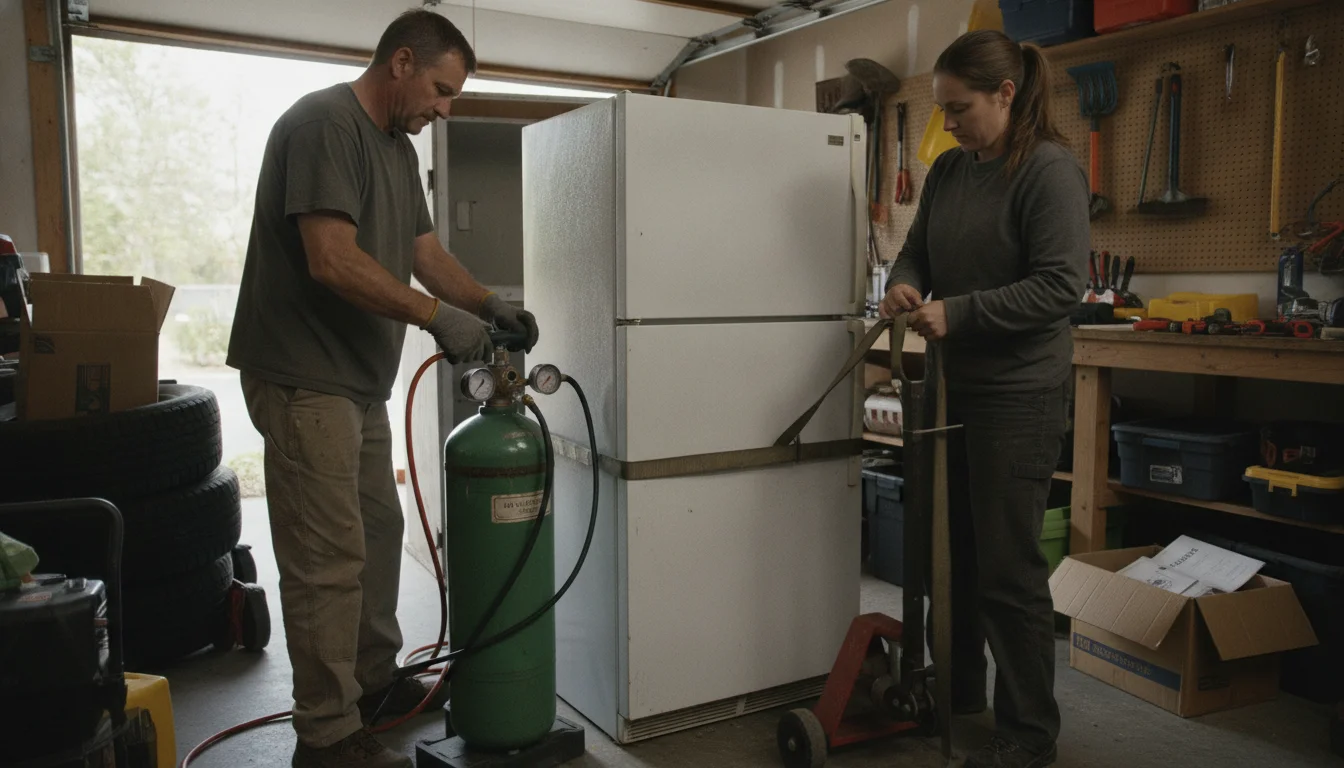
Appliance pickup services remove refrigerators, washers, dryers, and other units safely, handle basic disconnects when accessible, protect your home, and haul items for recycling, donation, or disposal. Expect a clear process, a scheduled window, and options for curbside or in-home service—all focused on quick, careful removal with eco-conscious outcomes.
A Saturday fridge swap can get complicated fast—tight turns, stairs, and old water lines raise the stakes. That’s why many homeowners call Kennesaw Junk Removal. With a simple plan, removal stays quick, careful, and tidy. This guide walks you through each step, what to expect, and how to choose a trusted local crew.
Table of Contents
- What do appliance pickup services include?
- How does the removal process work from booking to haul-away?
- How much does appliance pickup cost and what affects the price?
- What should I do before my appliance pickup arrives?
- Where do old appliances go—are they recycled responsibly?
- What about heavy, hazardous, or special appliances?
- How do I choose a reliable appliance pickup service near me?
- Key takeaways
- Frequently Asked Questions
- Conclusion
What do appliance pickup services include?
Appliance pickup includes safe removal, loading, and lawful disposal. The crew pads floors, doorframes, and stairs, and uses the right gear for weight, corners, and levels. Many providers can disconnect basic water or power when the lines are simple and accessible, and they’ll tell you in advance what they can handle.
Appliances commonly removed include refrigerators, freezers, washers, dryers, dishwashers, ovens, ranges, microwaves, window AC units, water heaters, and trash compactors. Some teams also take built-ins, wine fridges, and commercial-grade units. Share details about size, weight, or special hookups during booking to avoid surprises.
In-home pickup means the team comes inside, protects the route, and carries the unit out. Curbside pickup is lower contact and often quicker—you place the item at the driveway or curb for loading. Curbside suits smaller or already-moved items and tight time windows. In-home is better for bulky, heavy, or risky moves.
- Curbside pros: shorter visits, simpler timing, minimal interaction.
- In-home pros: no lifting for you, safer handling, ideal for stairs and narrow halls.
Many junk removal companies, including Kennesaw Junk Removal, can pair appliance pickup with Residential Junk Removal in one visit. That’s helpful when you also have a sofa, a mattress, or garage clutter ready to go.
How does the removal process work from booking to haul-away?
The process starts with a quick call or online booking. You’ll share the item type, size, location in the home, and access notes. Photos help—especially for stairs, narrow landings, or tight turns. You’ll receive a pickup window and any prep steps, such as clearing space or unplugging the unit.
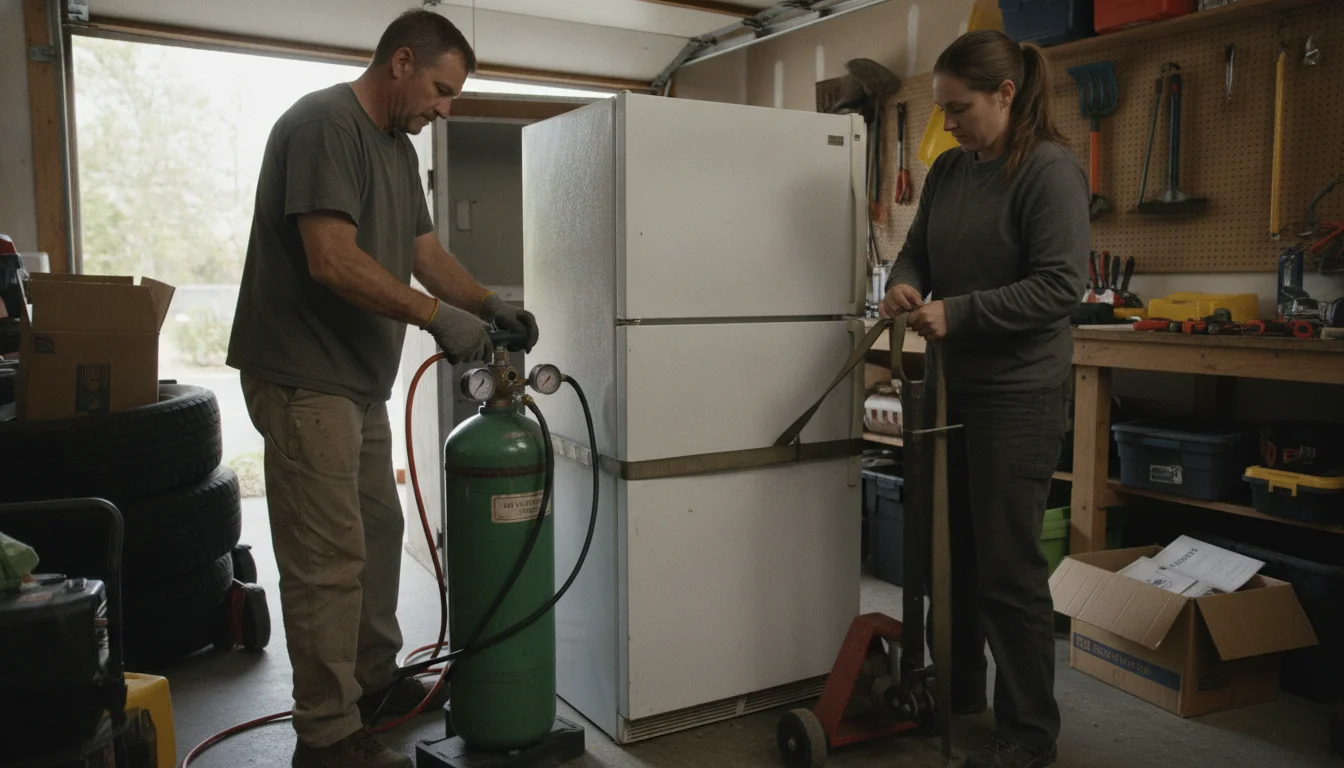
On pickup day, the crew arrives, greets you, and reviews the path from the appliance to the truck. They lay floor protection and pad sharp edges. If agreed, the team disconnects basic water lines or power. For gas, they’ll confirm the line is shut off and capped by a qualified pro. Then they lift with dollies and straps, move steadily, and load the unit.
What happens on pickup day step by step?
- Walkthrough and safety check.
- Protect floors and corners.
- Disconnect basics if planned.
- Lift, navigate, and load.
- Confirm the area is clean and dry.
After loading, the team transports the item to the appropriate facility. Fridges and AC units containing refrigerant go to approved processors that recover and handle gases under federal rules. Metals move to recycling yards, and clean, working units may head to donation partners or refurbishers.
What occurs after pickup: transport and disposal chain
A quality provider tracks where items go. They separate metal, plastic, glass, and sealed systems, and they keep records for regulatory needs and internal audits. If you need documentation for a building manager or HOA, ask for a disposal summary.
How much does appliance pickup cost and what affects the price?
Costs vary based on the item’s size and weight, your access conditions, and travel time. Stairs, long carries, or complex disconnects can add time. Combining items in one trip is often more efficient than multiple visits. Rural pickups may involve longer drives, while urban stops can require extra planning for parking and elevators.
Common pricing approaches include per‑item rates for standard appliances and volume or time‑based pricing for mixed loads. Some teams apply a small pickup fee that adjusts if you add more items. Built‑ins, stacked laundry centers, or unusually heavy units may change the quote due to special handling.
Why quotes vary
Independent cost surveys and local guidelines evolve, and actual pricing depends on the job specifics. Sharing photos and access notes typically helps you get a clearer estimate in advance. If you need extra services—such as capping a gas line by a licensed professional—arrange that before pickup.
Ways to make pickup day faster
- Group items: add a microwave, old TV, or small junk in one visit.
- Choose curbside if you can safely move the unit.
- Clear the path to reduce onsite time.
- Book during normal hours when possible.
- Ask about combining Appliance Removal with House Cleanout or Furniture Removal when you’re downsizing.
Kennesaw Junk Removal works across Kennesaw regularly and can outline options that fit your home and schedule. Clear information helps the team plan truck space and send the right gear the first time.
What should I do before my appliance pickup arrives?
Simple prep keeps the visit smooth. Empty the appliance and wipe up spills. For fridges and freezers, defrost 24 hours ahead so water doesn’t leak on floors. Move rugs, plants, and tables out of the pathway. Crate pets. Share details about stairs, tight halls, or an elevator.
Safety prep and disconnecting utilities
Unplug electric units the night before. Turn off water valves and disconnect hoses from washers. For ice makers, shut the supply valve. Gas lines must be turned off and capped—this is typically a job for a licensed plumber or gas technician. If a valve sticks or leaks, don’t force it.
Access, parking, and building requirements
Reserve a parking spot if possible. In apartments and condos, check on elevator pads, certificates of insurance, or time windows. Share gate codes or concierge details. If doors need to come off hinges for a big fridge, plan a safe spot to set them.
If weather is rough, clear snow, leaves, or debris from steps and walkways. Good lighting helps with secure footing. The crew will bring ramps and floor runners, but your path plan makes the day faster and gentler on your home.
Where do old appliances go—are they recycled responsibly?
Many appliances are recycled for metal, plastic, and glass. Units with refrigerant—like fridges and ACs—require special handling. Refrigerant must be recovered by certified professionals under federal rules to protect air quality. Oils, foam, and capacitors may also need careful disposal.
How recycling and de-manufacturing work
At a recycling or de‑manufacturing facility, technicians remove doors, drain oils, and extract compressors. Metals are shredded and sorted by type. Plastics and glass are separated. Proper refrigerant recovery and material handling reduce harmful releases, as required by U.S. EPA refrigerant regulations.
When donating or refurbishing makes sense
If a unit still works and is safe, donation can help local groups. Basic washers, dryers, and stoves often find a second home. Refurbishers may fix light issues and resell. Make sure cords are intact and there are no leaks. Many charities prefer curbside transfer to protect staff.
Some programs highlight proper recovery of refrigerants and materials from old fridges and freezers. Ask whether your provider partners with EPA‑aligned practices for responsible end‑of‑life handling consistent with national guidance.
What about heavy, hazardous, or special appliances?
Very heavy units—built‑in fridges, stacked laundry centers, or large chest freezers—require extra planning and equipment. Crews may remove doors, adjust hinges, or use powered stair climbers. For basements, tight turns call for rail padding and slower moves. Patience and clear communication prevent damage.
Refrigerants, gas lines, and legal compliance
Refrigerants in fridges and AC units must be recovered by certified personnel under federal law. Releases harm the environment and can carry penalties. Gas lines must be shut off and capped by a qualified pro before removal. Clarify what your provider handles and what you must arrange.
Stairs, tight spaces, and preventing damage
Pros use appliance dollies, shoulder straps, sliders, and floor runners. They pad banisters and corners and may remove a fridge door—or a room door—to gain crucial inches. If a wall is at risk, they pause and reset. Reputable teams carry insurance for peace of mind and document conditions before and after.
If your appliance is in an attic, over a garden, or behind a narrow island, share photos at booking. The crew can bring the right tools, extra hands, or a compact dolly for tricky landings.
How do I choose a reliable appliance pickup service near me?
Look for a provider that explains their process clearly, presents proof of insurance, and has recent, consistent reviews. Ask how they handle recycling, donation, and regulated materials. Reliable teams give arrival windows and updates, arrive with floor protection and proper tools, and treat your home with respect.
Key questions to ask before you book
- Do you offer both in‑home and curbside pickup, and which suits my layout best?
- Will you disconnect basic water lines or power, and what should I do beforehand?
- How do you manage refrigerants and regulated waste?
- What happens to my appliance after pickup—recycling, donation, or disposal?
- Can you provide building-required documents (like certificates) if needed?
Red flags to avoid and signs of quality
Red flags include vague answers about disposal, no insurance, pushy upsells, and poor communication. Signs of quality include clear prep lists, careful walkthroughs, floor protection, and transparent post‑pickup routing. Local knowledge helps with parking, elevators, and HOA rules in Kennesaw and nearby neighborhoods.
If you need more than one item gone, ask about bundling with Residential Junk Removal. When downsizing or moving, House Cleanout can save time. If your sofa and old range both need to go, pairing Appliance Removal and Furniture Removal in one trip is efficient.
Key takeaways
- Plan the path: clear space, disconnect basics, and reserve parking for a smooth visit.
- Choose the right pickup: curbside for speed; in‑home for heavy or tricky items.
- Ask about disposal: look for clear recycling and donation options with records.
- Mind safety rules: refrigerants and gas lines require proper handling.
- Bundle smart: combine items or services for one efficient trip.
Frequently Asked Questions
Can a crew disconnect my water or power lines?
Many teams can handle simple water and power disconnects if valves and outlets are easy to access. Gas lines should be shut off and capped by a qualified pro before pickup. Share photos during booking so the team knows what to expect and can guide your prep.
Do I need to empty and defrost my fridge before removal?
Yes. Empty the fridge and freezer, and defrost at least 24 hours before pickup. This prevents leaks on floors and stairs, protects the crew, and speeds up the visit. Wipe up moisture and leave doors open to air out before the team arrives.
What happens to my old refrigerator after it’s hauled away?
It depends on condition. Units with refrigerant go to approved processors to recover gases under federal rules. Metals are recycled, and usable parts may be salvaged. If the fridge works and is safe, it may be donated or refurbished for reuse by local partners.
Can you remove appliances from upstairs or a basement?
Yes, but stairs, tight turns, and heavy weight require extra care and tools. Crews use dollies, straps, and pads to protect your home. Share photos of stairwells, railings, and landings so the team can plan the safest route and bring the right equipment.
What if I live in a building with elevator rules and insurance needs?
Tell the company during booking. Many providers can supply certificates of insurance and schedule within building windows. They’ll pad elevators and follow house rules. Share any time limits, loading dock info, and concierge contacts to keep the day smooth.
Conclusion
From first click to final haul, a good team makes appliance removal simple, safe, and environmentally responsible. Kennesaw Junk Removal serves homes across Kennesaw and the surrounding area with careful in‑home pickups, curbside options, and responsible routing for recycling or donation. Ready to plan your pickup with a local team that knows Kennesaw? Contact us.
If you are not sure which of these you are dealing with, it is worth having someone look at it before it turns into a bigger job. Get in touch with Kennesaw Junk Removal today and we will tell you where you stand.